0%
LEAF value lost in 5 years
Transforming Battery Data into Nissan’s actionable insights
Transforming Battery Data into Nissan’s actionable insights

My Role
My Role
Product Designer — Visual, Interaction, User Research, User Flows, Prototyping, Market Research, Business Analysis, Stakeholder Alignment
Product Designer — Visual, Interaction, User Research, User Flows, Prototyping, Market Research, Business Analysis, Stakeholder Alignment
Product Designer — Visual, Interaction, User Research, User Flows, Prototyping, Market Research, Business Analysis, Stakeholder Alignment
Team
Team
Daniel Lipats, Solutions Architect
Daniel Lipats, Solutions Architect
Daniel Lipats, Solutions Architect
Chandra Venkataraman, PM
Chandra Venkataraman, PM
Chandra Venkataraman, PM
Timeline
Timeline
San Francisco, Seattle, & Japan
San Francisco, Seattle, & Japan
San Francisco, Seattle, & Japan
Feb 6th - March 20th
Feb 6th - March 20th
Feb 6th - March 20th
The Why
In 2024 Nissan planned a dashboard converting battery performance into actionable insights for dealers, teams, and customers to improve EV sustainability, second‑life use, and CX.
Through workshops, data analysis, and UX research, we aligned stakeholders to build a simple, effective tool for internal teams and customers via the My Nissan app.
The Why
The Why
In 2024 Nissan wanted to build a user‑centric dashboard converting battery performance data into actionable insights for dealers, internal teams, and customers to support EV sustainability, second‑life management, and improved CX.
The Why
In 2024 Nissan wanted to build a user‑centric dashboard converting battery performance data into actionable insights for dealers, internal teams, and customers to support EV sustainability, second‑life management, and improved CX.
Through workshops, data analysis, and UX research, we aligned stakeholders to build a simple, effective tool for internal teams and customers via the My Nissan app.

Yoshi
Lead AI Engineer
LEAF value lost in 5 years
Yoshi
Lead AI Engineer
LEAF value lost in 5 years
Yoshi
Lead AI Engineer
LEAF value lost in 5 years
Yoshi
Lead AI Engineer
LEAF value lost in 5 years
The Data
Rapid battery degradation in EVs reduces range, practicality, and resale value, while aftermarket upgrade solutions are complex, risky, and hard to adopt.
Early Nissan Leaf models from 2010 have limited range and their batteries wear out over time, making them less attractive and often providing less than 50 miles of range. As more people want affordable ways to improve their older EVs, there is a high demand for simple, reliable battery upgrade solutions.
Nissan's Battery Analysis Tool (BAT) would offer diagnostics, forecasts, and integration guidance to enable safer, more efficient upgrades and extend vehicle life.
Nissan struggles to effectively use battery data to improve EV value, resale prices, and customer satisfaction. Although the data exists, teams find it difficult to access and interpret, which limits their ability to enhance EV performance and growth opportunities.
45–55%
of original price
Resale Value After 3 Years
Resale Value After 3 Years
45–55% three-year resale value undercuts Tesla, slightly trails Volkswagen.
Tesla
Volkswagen
Nissan
Hyundai
EV Range Comparison
EV Range Comparison
Nissan Leaf's 270-mile WLTP range sits mid-pack among competing EVs.
Tesla
Volkswagen
Nissan
Market Share (Global)
Market Share (Global)
Roughly 3–5% share lags far behind Tesla and Volkswagen.
Highlights - Key Design Decisions
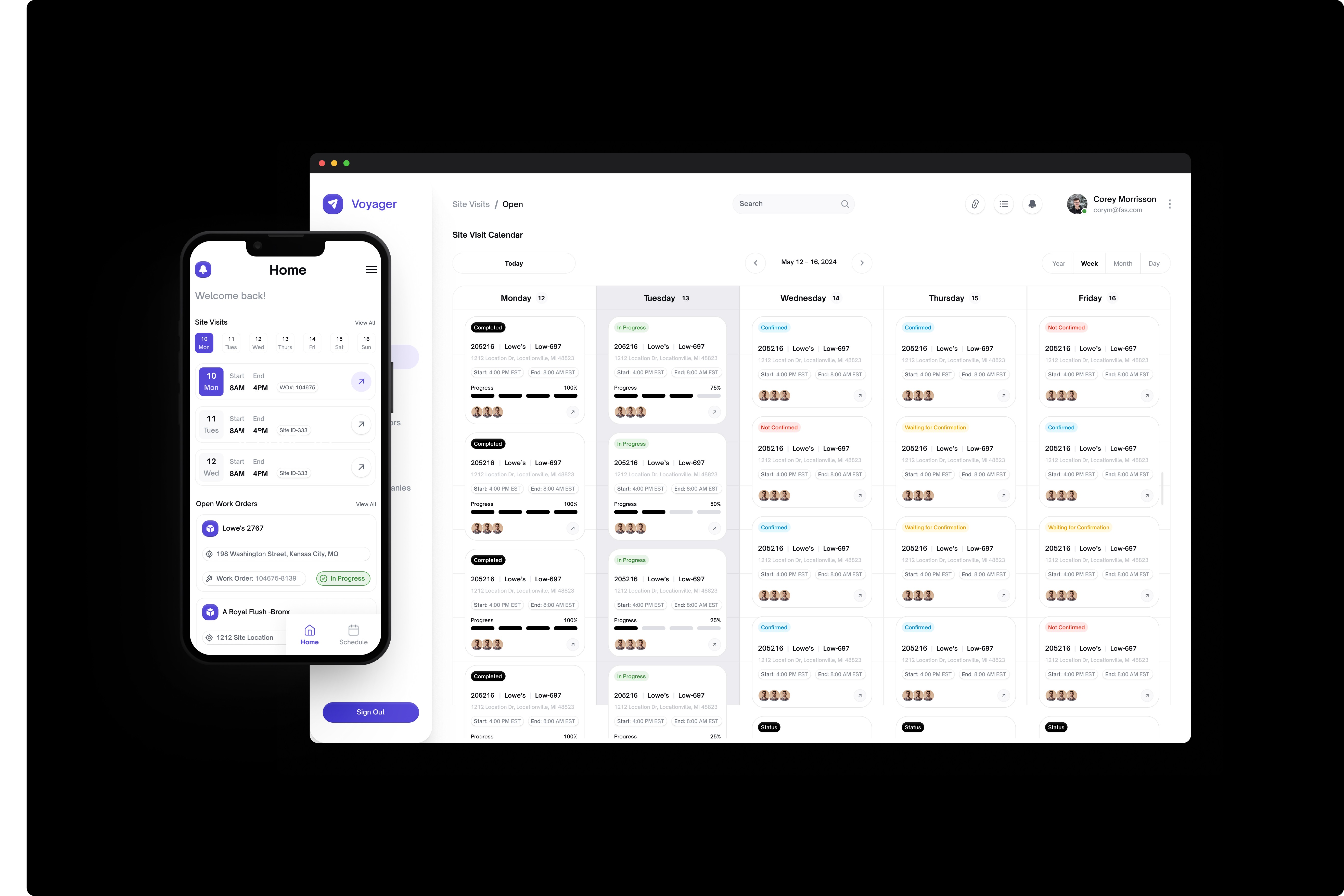
These features simplify complex battery data, empowering salespeople to provide clear, insightful guidance during customer interactions.
Predictive analytics, performance visualizations, and real-time health reports, improving decision-making, customer engagement, and efficiency.
Highlights - Key Design Decisions
These features simplify complex battery data, empowering salespeople to provide clear, insightful guidance during customer interactions.
Highlights - Key Design Decisions
These features simplify complex battery data, empowering salespeople to provide clear, insightful guidance during customer interactions.

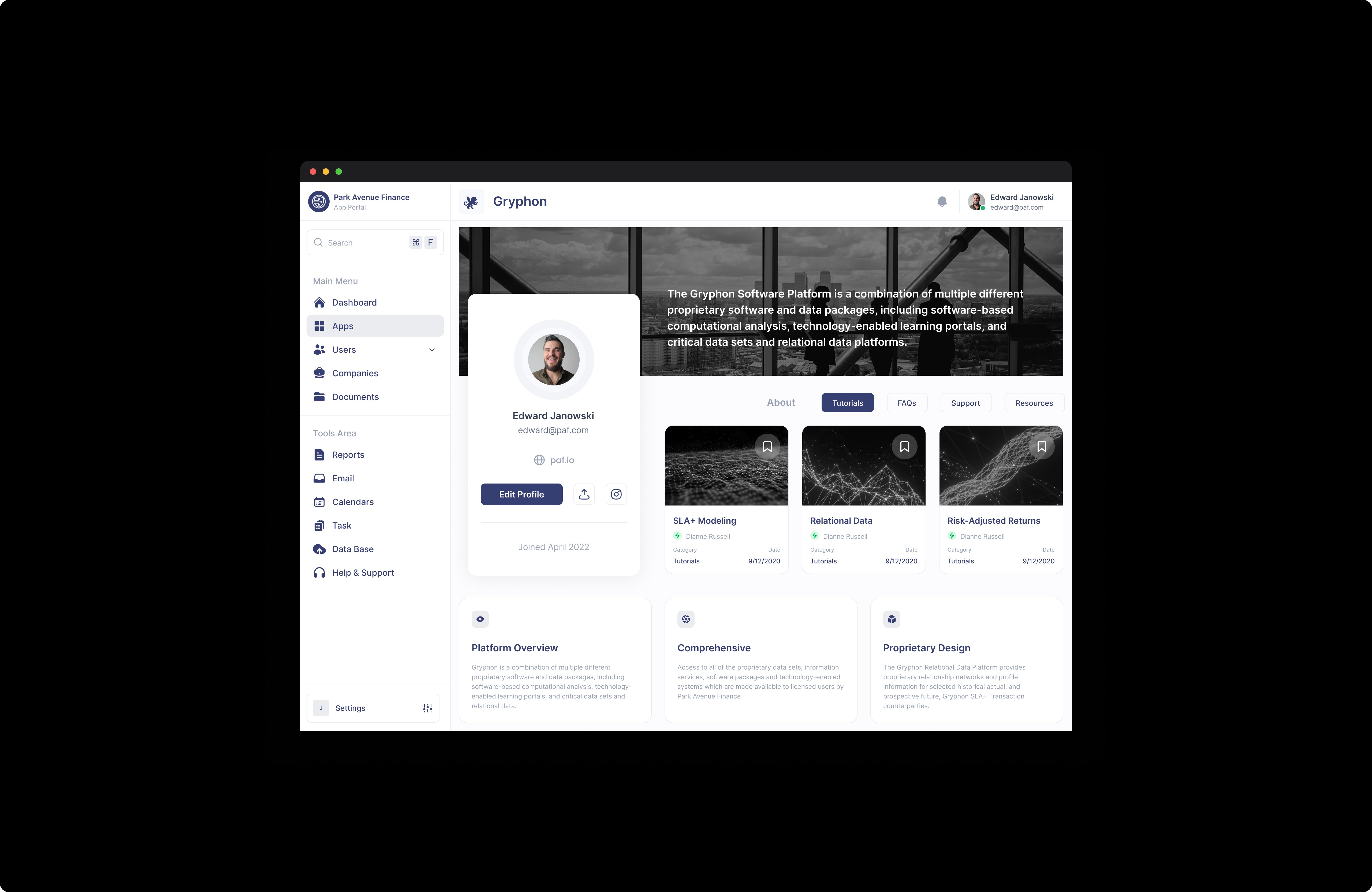
The platform boosts customer retention, optimizes EV inventory, and provides data insights for better dealership decision-making.
The platform boosts customer retention, optimizes EV inventory, and provides data insights for better dealership decision-making.
The platform boosts customer retention, optimizes EV inventory, and provides data insights for better dealership decision-making.

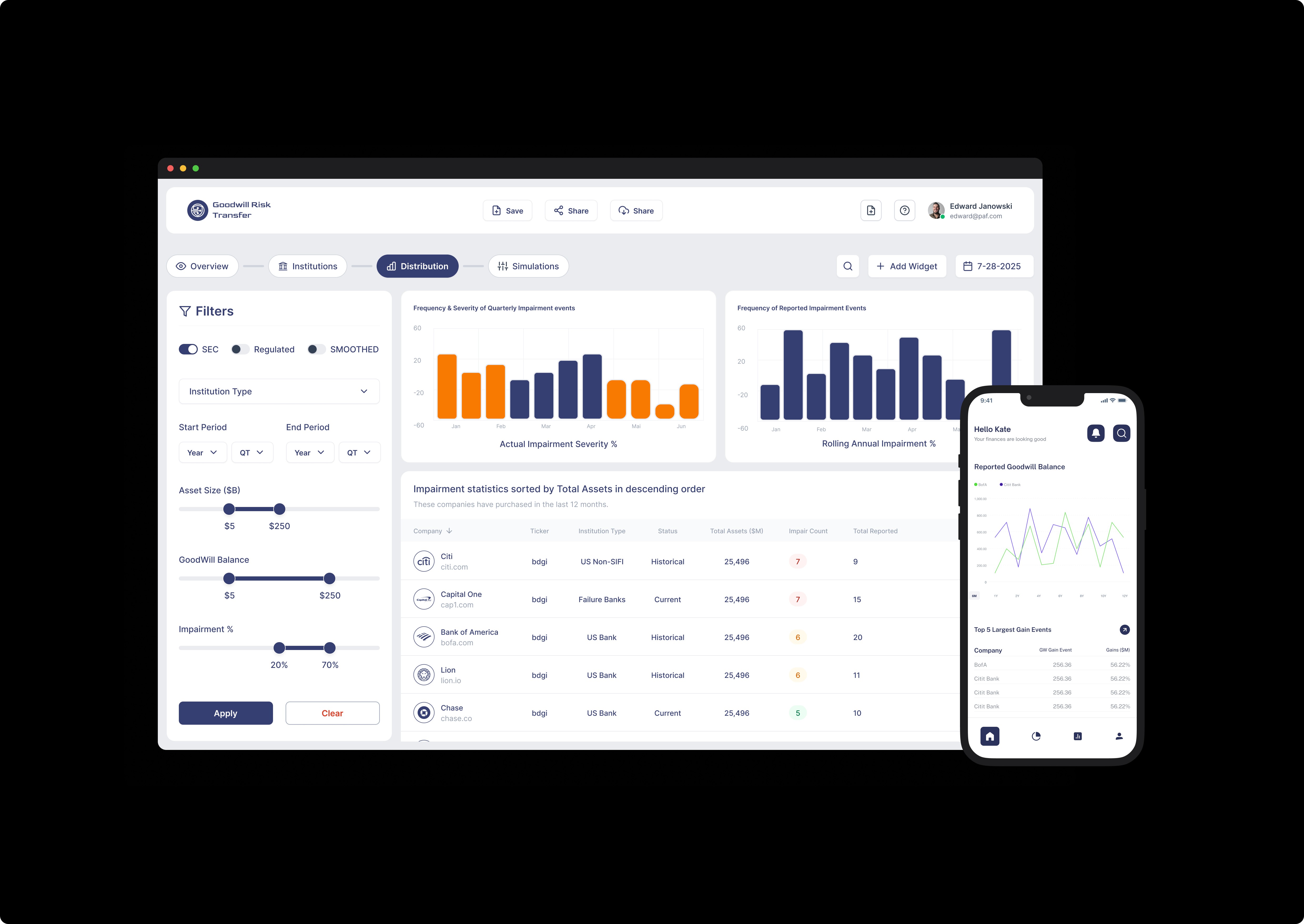
The dashboard provides dealership-wide EV performance metrics, including sales, customer satisfaction, and trends, with customizable KPIs and options to share reports.
The dashboard provides dealership-wide EV performance metrics, including sales, customer satisfaction, and trends, with customizable KPIs and options to share reports.
The dashboard provides dealership-wide EV performance metrics, including sales, customer satisfaction, and trends, with customizable KPIs and options to share reports.

Quick visualizations illustrating battery performance and expected degradation under different lease durations, enhancing customer understanding of long-term vehicle viability.
Quick visualizations illustrating battery performance and expected degradation under different lease durations, enhancing customer understanding of long-term vehicle viability.
Quick visualizations illustrating battery performance and expected degradation under different lease durations, enhancing customer understanding of long-term vehicle viability.

Identifies at-risk customers, provides real-time battery diagnostics, proactive alerts, and charging insights to enhance maintenance and customer engagement.
Identifies at-risk customers, provides real-time battery diagnostics, proactive alerts, and charging insights to enhance maintenance and customer engagement.
Identifies at-risk customers, provides real-time battery diagnostics, proactive alerts, and charging insights to enhance maintenance and customer engagement.
The Problem
Older Nissan Leaf models from 2010 have limited range due to worn batteries, creating a strong demand for simple, reliable upgrade solutions.
Nissan has data to improve EV value and customer satisfaction, but teams find it hard to access and interpret, limiting their ability to enhance performance and growth.
The Problem
Older Nissan Leaf models from 2010 have limited range due to worn batteries, creating a strong demand for simple, reliable upgrade solutions.
Nissan has data to improve EV value and customer satisfaction, but teams find it hard to access and interpret, limiting their ability to enhance performance and growth.
The Problem
Older Nissan Leaf models from 2010 have limited range due to worn batteries, creating a strong demand for simple, reliable upgrade solutions.
Nissan has data to improve EV value and customer satisfaction, but teams find it hard to access and interpret, limiting their ability to enhance performance and growth.
Challenges
Users have trouble understanding complex battery data, so the challenge is to turn it into simple, clear insights that non-experts can easily use for confident decisions.
The platform must balance technical detail and simplicity to meet the diverse needs of dealers, customers, and recyclers without confusing users.
Easy-to-understand forecasting tools are essential to help users predict battery health, remaining life, and the best time for replacement or recycling.
Creating a successful platform needs ongoing collaboration and feedback from dealers, engineers, recyclers, and users to ensure it is user-friendly and scalable.
To build trust and encourage proactive battery management, the design must be clear, simple, and provide actionable insights and transparent explanations.
The platform should provide smooth, responsive access to battery insights on all devices—desktops, tablets, and smartphones—anytime and anywhere.
Problem Statement
While the client aims to expand its EV portfolio, the current market lacks personalized battery analysis tools. The need exists for a solution that not only predicts battery health but also aligns with user-specific conditions, reducing total cost of ownership and enhancing customer trust in EV transitions.
While the client aims to expand its EV portfolio, the current market lacks personalized battery analysis tools. The need exists for a solution that not only predicts battery health but also aligns with user-specific conditions, reducing total cost of ownership and enhancing customer trust in EV transitions.
Hypothesis
If Nissan develops a personalized EV battery analysis tool that accurately predicts battery health based on user-specific conditions, then it will reduce customer concerns about battery life and range, leading to increased customer trust, lower ownership costs, and greater adoption of Nissan’s EVs.
If Nissan develops a personalized EV battery analysis tool that accurately predicts battery health based on user-specific conditions, then it will reduce customer concerns about battery life and range, leading to increased customer trust, lower ownership costs, and greater adoption of Nissan’s EVs.
The Results
We built a flexible platform that gives dealers clear insights into key metrics, helping them make better decisions and support Nissan’s team with innovative, data-driven solutions.
At the project end, Nissan was going through major changes, including a possible merger with Honda, a new CEO, and plant closures, which affected plans for a Phase 2.0 and building the BAT.
The Results
We built a flexible platform that gives dealers clear insights into key metrics, helping them make better decisions and support Nissan’s team with innovative, data-driven solutions.
At the project end, Nissan was going through major changes, including a possible merger with Honda, a new CEO, and plant closures, which affected plans for a Phase 2.0 and building the BAT.
Goals & KPIs
The BAT Dashboard aims to boost user engagement by increasing active users by 30% in six months through seamless onboarding and encouraging 50% to utilize predictive analytics and voice commands twice per session.
The aim is to reduce battery service delays by 20%, increase reuse reports by 25%, and boost customer trust by 15% while maintaining 90% user satisfaction through ongoing feedback and assessments, supporting Nissan's 2025 growth and innovation goals.
Goals & KPIs
The BAT Dashboard aims to boost user engagement by increasing active users by 30% in six months through seamless onboarding and encouraging 50% to utilize predictive analytics and voice commands twice per session.
The aim is to reduce battery service delays by 20%, increase reuse reports by 25%, and boost customer trust by 15% while maintaining 90% user satisfaction through ongoing feedback and assessments, supporting Nissan's 2025 growth and innovation goals.
Increase active users by 30% in 6 months with easy onboarding, and have 50% use predictive analytics and voice commands twice per session for better engagement.
Users have trouble understanding complex battery data, so the challenge is to turn it into simple, clear insights that non-experts can easily use for confident decisions.
In 12 months, reduce battery service delays by 20%, increase reuse reports by 25%, and boost customer trust by 15% with improved data and analytics, supporting sustainability.
The platform must balance technical detail and simplicity to meet the diverse needs of dealers, customers, and recyclers without confusing users.
Continuously collect user feedback and run quarterly reviews to keep satisfaction at 90% and ensure the dashboard meets user needs.
Easy-to-understand forecasting tools are essential to help users predict battery health, remaining life, and the best time for replacement or recycling.
Ensure the BAT Dashboard boosts Nissan's 2025 EV leadership by enhancing operational efficiency, customer trust, and sustainability to drive growth and innovation.
We develop beautiful design and user-friendly interfaces for websites and mobile applications.
The Takeaways
The final dashboard is flexible and user-friendly, making complex battery data accessible, helping smarter decisions, and supporting Nissan’s sustainability goals.
This quick project taught us to focus only on essentials and use a questionnaire for asynchronous discovery, saving time and improving efficiency.
The Takeaways
The final dashboard is flexible and user-friendly, making complex battery data accessible, helping smarter decisions, and supporting Nissan’s sustainability goals.
This quick project taught us to focus only on essentials and use a questionnaire for asynchronous discovery, saving time and improving efficiency.